
Barbie dolls have been a staple in toy boxes for generations, captivating the imaginations of children around the world. Barbie has seen a remarkable evolution from her debut in 1959 as a glamorous fashion icon to her recent transformation into a symbol of diversity and empowerment.
This iconic doll goes beyond mere play; she reflects societal changes and aspirations. As we explore how Barbie dolls mirror real-world representation, it becomes clear that these toys can shape perceptions and dreams for young minds everywhere.
Join us on this fascinating journey through time as we uncover Barbie’s role in promoting inclusivity and inspiring future generations.
The Evolution of Barbie’s Appearance
Barbie’s appearance has undergone a remarkable transformation since her debut in 1959. Originally crafted with a slim figure, blonde hair, and blue eyes, she embodied that era’s idealized vision of beauty.
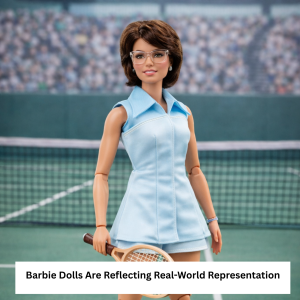
As societal views on beauty shifted, so did Barbie. The introduction of diverse skin tones, hairstyles, and body types reflects an evolving understanding of representation. Today’s Barbie line-up includes dolls with curves, athletic builds, and various ethnic backgrounds.
This change powerfully messages children about acceptance and diversity. Each new doll is not just a toy but also an opportunity for kids to see themselves represented.
Barbie embodies aspirations beyond traditional norms with careers ranging from astronaut to doctor to activist. This evolution caters to modern sensibilities while encouraging young minds to dream big and embrace individuality.

The Importance of Representation in Children’s Toys
Representation in children’s toys plays a crucial role in shaping young minds. When kids see dolls resembling them, it fosters a sense of belonging and self-acceptance.
Barbie dolls, for instance, have evolved to include different skin tones, body types, and abilities. This diversity allows children to imagine themselves in various roles and scenarios. It nurtures creativity while encouraging empathy towards others.
Moreover, representation helps combat stereotypes early on. Children learn that success is not confined to one standard appearance or background. With diverse Barbie dolls available today, every child can find a figure they can relate to and aspire to be like.
By surrounding themselves with varied representations in playtime, kids develop healthier self-images. They also gain an appreciation for the beauty of differences around them within society at large.
Barbie’s Impact on Society and Culture
Barbie Dolls have significantly shaped societal norms and cultural expectations over the decades. Initially, she represented an idealized version of femininity rooted in the 1950s culture. As times changed, so did Barbie’s image and role.
The introduction of diverse dolls allowed children to see themselves reflected in their toys. This shift sparked conversations around beauty standards and body diversity. With roles ranging from doctor to astronaut, Barbie became a symbol of empowerment for young girls everywhere.
Moreover, representation transcends gender boundaries; boys benefit from a more inclusive narrative that challenges traditional stereotypes. They learn that nurturing or creative play is not confined to one gender.
Through various collaborations with brands like NASA and initiatives promoting STEM careers for girls, Barbie continues to inspire future generations while breaking old molds. The impact on society is profound as it encourages acceptance and broadens horizons beyond conventional limits.

Global Barbie Doll Market Size Forecast 2021-2030
The global Barbie doll market is expected to witness steady growth from 2021 to 2030, driven by increasing consumer demand for diverse and inclusive representation in toys.
Barbie, one of the most iconic doll brands, has evolved over the years to reflect real-world diversity, introducing dolls of different skin tones, body types, and professions.
This shift has resonated with parents and children alike, aligning with the growing emphasis on social awareness and inclusion.
The expansion of the Barbie brand into multimedia platforms, such as movies, television series, and digital content, has also contributed to its market growth by keeping the brand relevant to new generations.
Additionally, collaborations with designers and limited-edition collections have attracted adult collectors, further boosting sales.
The rise of e-commerce has made Barbie dolls more accessible, increasing their global reach. As the trend toward inclusivity in toys continues, the Barbie doll market is expected to grow, capitalizing on its strong brand legacy and innovative offerings.
Conclusion: Why Representation Matters for Every Little Girl (and Boy) Who Plays with Barbie’s
Representation in toys like Barbie Dolls plays a crucial role in shaping children’s understanding of the world. When kids see dolls that reflect a variety of appearances, backgrounds, and careers, they begin to understand that possibilities are limitless.
This diverse representation fosters self-esteem and encourages children to envision their futures without constraints.
For little girls and boys who engage with these dolls, it’s more than play; it’s about seeing themselves reflected in the characters they’re interacting with. Through various skin tones, body shapes, and lifestyles showcased by Barbie Dolls today, children learn acceptance and appreciation for differences from a young age.
Barbie has evolved beyond her original image into something much deeper—a tool for empowerment. Each doll becomes a vessel through which dreams can be explored. Children no longer play; they engage in meaningful narratives that challenge stereotypes.
When every child sees someone like themselves or someone entirely different represented among their toys, it opens doors to empathy and inclusivity.
The message is clear: everyone deserves to feel seen and valued. For those growing up playing with Barbie Dolls—this journey toward understanding begins right at home on the shelves lined with colourful boxes filled with potential stories waiting to unfold.
