
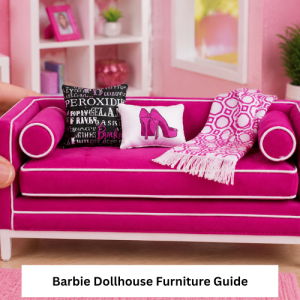
The right Barbie dollhouse furniture can turn an empty dollhouse into a practical room setup for storytelling, photography, or display. Buyers should compare scale, room dimensions, furniture height, stability, materials, included accessories, and the age of the intended user.
A set that looks attractive in a product photograph may be too large for a compact room or too small for a standard Barbie doll. Measuring the available space before buying reduces overcrowding and helps doors, elevators, stairs, and folding sections continue to work.
How to Choose Barbie Dollhouse Furniture
Begin with the dollhouse rather than the furniture theme. Measure the room’s width, depth, and height, then note any fixed walls, windows, staircases, doors, elevators, or columns.
When comparing Barbie dollhouse furniture, also check whether the pieces are designed for full-size Barbie dolls, smaller dolls, or a mixed-scale playset.
| Furniture type | Useful for | Space needed | What buyers should verify |
| Bedroom set | Home stories and seated or sleeping poses | Medium floor area | Bed length, mattress width, and doll fit |
| Living room set | Group play and display scenes | Medium to large area | Seat height, stability, and accessory count |
| Dining set | Family or celebration scenes | Open central space | Chair height and table clearance |
| Kitchen furniture | Food and home-role play | Wall or corner space | Counter height and small removable pieces |
| Media or TV unit | Modern room display | Limited wall space | Width, loose accessories, and tipping risk |
Measure Scale and Fit Before Buying
Barbie dolls are commonly associated with fashion-doll scale, but product ranges can include smaller dolls and differently proportioned playsets. Do not rely only on a listing that says doll furniture.
Measure:
- Doll height when standing
- Seated height
- Hip width for chairs
- Leg length for beds and sofas
- Room doorway width
- Elevator or folding-house clearance
- Shelf depth for display use
Allow extra space around tables, beds, and chairs so hands can move the dolls without knocking over the room.
Chair and sofa fit
A chair should support the doll without forcing the legs or arms into an unnatural angle. Check seat width, seat depth, back height, and whether the furniture remains stable when the doll is seated.
Bed fit
The doll does not always need to lie completely flat for play, but collectors arranging realistic displays may prefer a bed that accommodates the full body. Verify measurements before buying when the product page does not show a doll beside the furniture.
Choosing Furniture by Room
Dining room
A dining set can support family scenes, celebrations, café stories, or collector displays. Look at chair quantity, table size, and whether plates or smaller food pieces are included.
A Barbie grand dining room furniture set can help create a formal room, but buyers should verify its measurements, scale, and complete package contents before ordering.
Bedroom and dressing space
Bedroom furniture may combine a bed with a vanity, stool, storage unit, or decorative accessories. Check whether drawers and doors are functional or decorative.
A Barbie bedroom and beauty furniture set may suit a combined sleeping and dressing area, although fit and accessory size should be verified before buying.
Living room
Living room furniture can include sofas, chairs, lamps, tables, media units, or décor. The arrangement should leave enough open floor space for dolls to stand and move.
A Barbie-size living room furniture set can create a coordinated display, but confirm its materials, dimensions, and compatibility with the intended dollhouse.
Movie and game room
Themed furniture can give a dollhouse a more focused play area. Check whether tiny snacks, controllers, remotes, or pet accessories are suitable for the child’s age.
A Barbie indoor living-room playset can support movie or game-night stories, but buyers should verify all included furniture and small accessories.
Safety and Age Guidance
Dollhouse accessories can include very small pieces. Follow the stated age recommendation and keep removable food, lamps, cups, decorative pieces, and fasteners away from younger children.
Inspect newly opened furniture for broken edges, loose hardware, or packaging pieces. Dispose of plastic bags, ties, and protective films safely.
Secure tall standalone dollhouses according to their instructions when anchoring is provided or required. Do not place a heavy dollhouse on an unstable table or narrow shelf.
Cleaning and Maintenance
Dust display furniture with a soft brush or dry cloth. For play furniture, follow the manufacturer’s cleaning instructions and avoid soaking pieces that contain paperboard, stickers, electronic parts, fabric, or wood-based material.
Remove dolls and small accessories before cleaning. Dry every piece fully before returning it to a closed dollhouse.
Store spare miniature furniture in a container with dividers or protective wrapping. Do not place heavy pieces on top of thin tables, lamps, or chairs.
Troubleshooting Furniture Problems
The furniture is too large
Try the piece in a larger room or use it as a standalone play scene. Do not force it through a narrow door or into an elevator.
A doll will not sit properly
Check the doll’s articulation and the seat dimensions. A rigid-leg doll may need a different chair from a fully articulated doll.
The furniture keeps tipping
Place it on a flat surface and check whether the legs are warped or assembled incorrectly. Do not permanently modify collector furniture without considering its value.
A drawer or door will not open
Look for packaging ties or shipping inserts. Do not force a hinge or handle because it may be decorative rather than functional.
Accessories keep getting lost
Use labeled storage trays or small resealable containers. Count pieces after play and before moving the dollhouse.
Common Buying Mistakes
A common mistake is choosing miniature furniture only by appearance. Scale, room clearance, doll articulation, and age guidance are equally important.
Other mistakes include:
- Buying before measuring the room
- Mixing furniture made for different doll scales
- Ignoring the height of chairs and counters
- Assuming every drawer or cabinet opens
- Overfilling a small dollhouse
- Buying many loose accessories for a young child
- Ignoring cleaning restrictions
- Discarding the packaging before confirming all pieces
- Failing to check the return policy for damaged furniture
Conclusion
Good Barbie dollhouse furniture should fit the dolls, the available room, and the way the house will be used. Measure first, compare scale, inspect materials, and leave enough space for safe play or a clear display. At barbie-collectible, shoppers can compare furniture sets and dollhouse accessories while avoiding mismatched or overcrowded room layouts.
FAQ
Does all dollhouse furniture fit Barbie dolls?
No. Miniature furniture comes in different scales, so buyers should check dimensions and doll compatibility.
How do I measure a dollhouse room?
Measure the usable width, depth, and height while accounting for doors, stairs, elevators, and folding walls.
Is wooden or plastic furniture better?
Neither is always better. Compare weight, finish, cleaning needs, durability, age guidance, and the dollhouse floor’s strength.
How can I keep small furniture accessories organized?
Use labeled containers, divided trays, or resealable bags and count the pieces after play.
Can dollhouse furniture be used without a dollhouse?
Yes, many sets can create standalone room scenes, provided the furniture remains stable on the chosen surface.
